A walk through cinema history! These feature films are free to watch online.
The Sound Era began in 1927. While the silent era had been astonishingly adventurous, censorship was prevalent under the Hays Code from 1934 until the 1960s, which was also when color became industry standard despite having been available for decades.
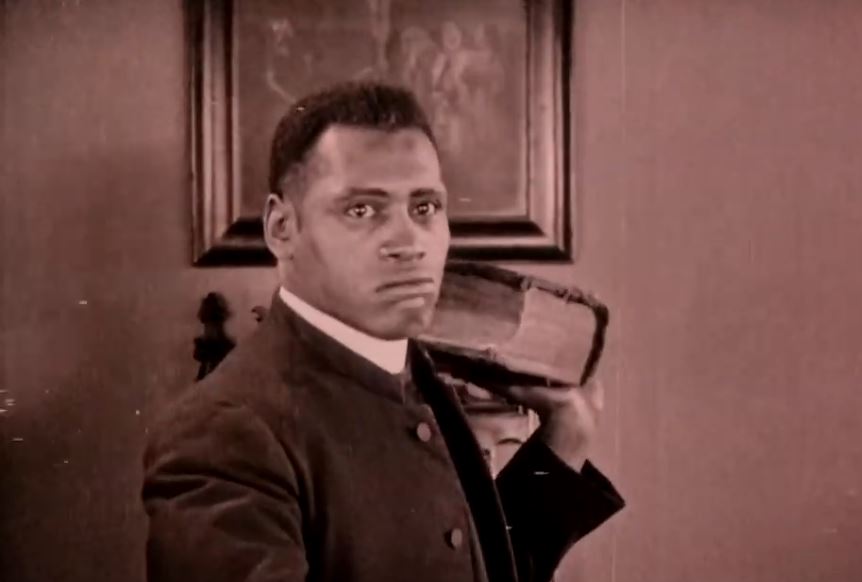
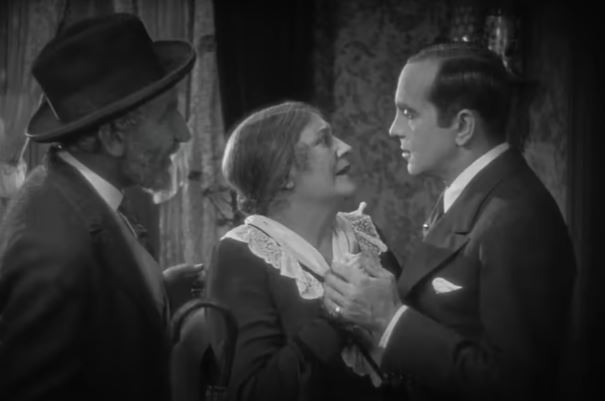
Body and Soul (1925)
Oscar Micheaux
A silent drama that critiques corruption within institutions, including the church, while exploring morality and power within a black community. This color-tinted film stands out for its psychological depth, character-driven narrative, and independent production outside the Hollywood system. It features an early performance by Paul Robeson, marking the beginning of one of the most influential careers in American cultural history.
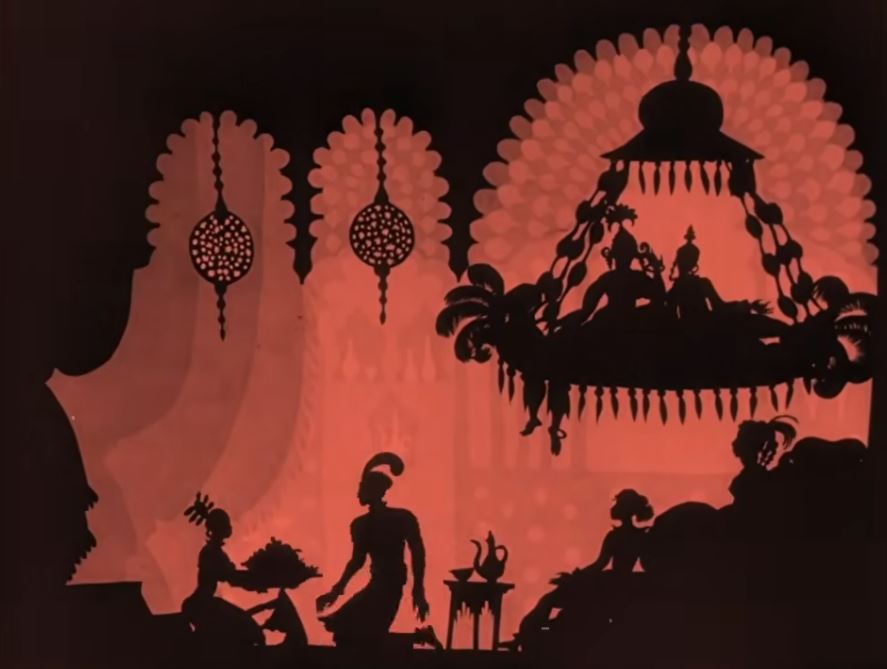
The oldest surviving animated feature film was directed by a woman, Lotte Reiniger from Germany. The Adventures of Prince Achmed reimagines Aladdin and other stories from 1001 Nights. It was made using intricate silhouette animation, where characters were cut from paper and animated frame by frame. The movie still looks fluid, detailed, and vibrant a century later. There were earlier animations, but they are lost films.
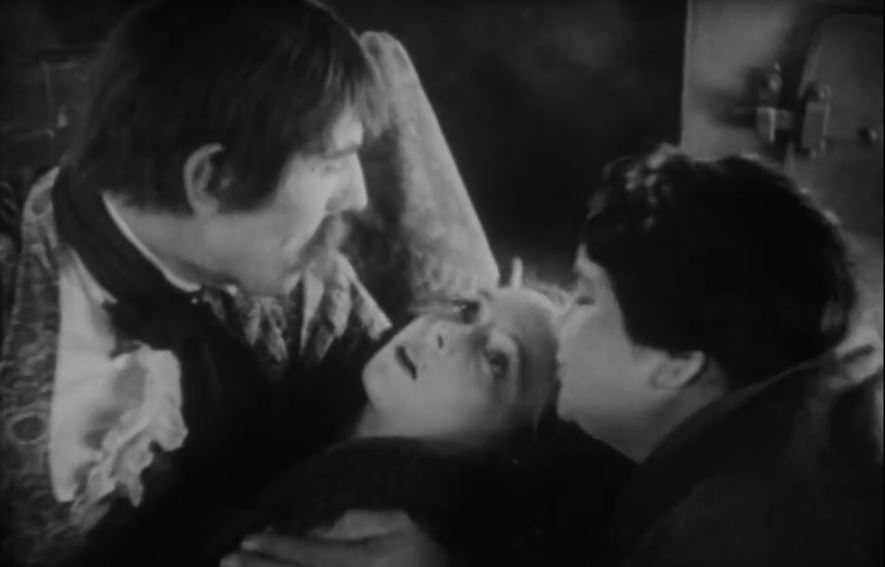
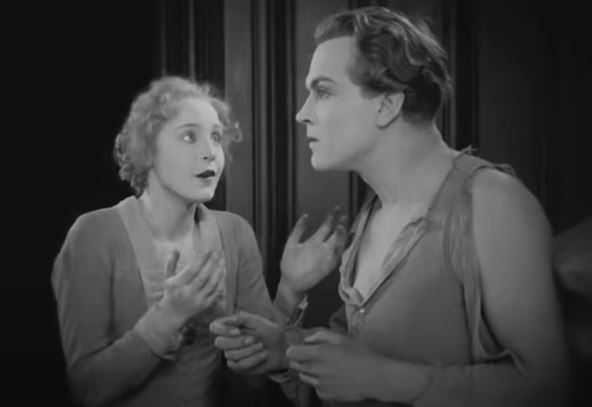
The tragic love story of the impoverished seamstress Mimì and the young poet Rodolphe in nineteenth-century Paris is widely regarded as one of the greatest silent romances ever made. It is celebrated for its emotional performances and human portrayal of poverty, friendship, and love. Its influence can be felt in modern theatre in works like Rent and Moulin Rouge!
The first feature-length film with synchronized dialogue, marking the beginning of the sound era, this Warner Brothers production contains blackface performances, a practice now recognized as offensive and rooted in racism. At the time, however, actor Al Jolson was considered a friend to the black community: he promoted & performed with black artists and advocated fiercely for their inclusion.
The story follows a young Jewish man who defies his devout father's wishes by pursuing a career as a jazz performer, ultimately finding a way to balance tradition with his ambition. It almost accidentally winds up being a touching story of the love between mother and son, ending with a heartfelt performance of "Mammy." Disney paid homage to this historic film in The Brave Little Toaster by having the radio play it during the drowning scene!
A groundbreaking German science fiction film set in a futuristic city divided between a wealthy elite and oppressed workers, the story follows Freder, the son of the city’s ruler, as he discovers the brutal conditions of the working class and joins forces with Maria, a prophet-like figure seeking peace. An early sci-fi epic about class struggle and industrialism known for its massive sets, pioneering special effects, and social commentary, it remains one of the most influential films in cinematic history.
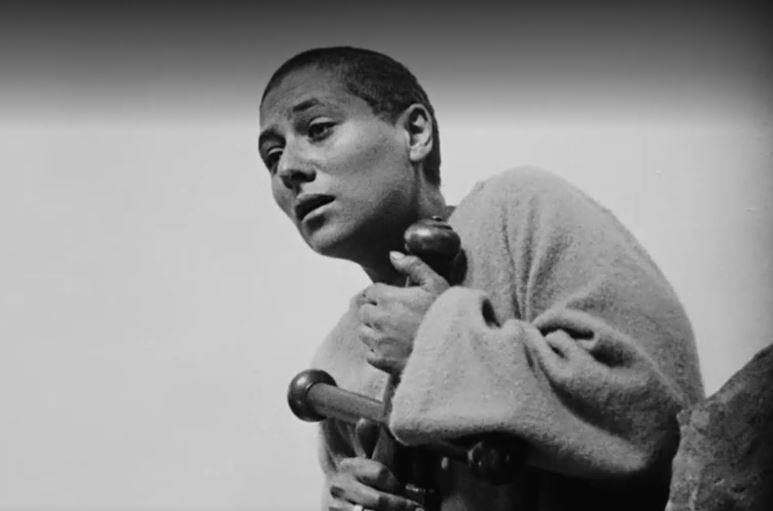
A silent historical drama depicting the trial of Joan of Arc, based closely on the actual transcripts of her interrogation. The film is renowned for its stark, minimalist style and intense use of close-ups, stripping away spectacle to focus almost entirely on human emotion. Maria Falconetti’s performance as Joan is widely considered one of the greatest ever captured on film, conveying fear, faith, and defiance with almost unbearable intimacy. The result is a deeply personal and psychologically raw experience that still feels strikingly modern nearly a century later.
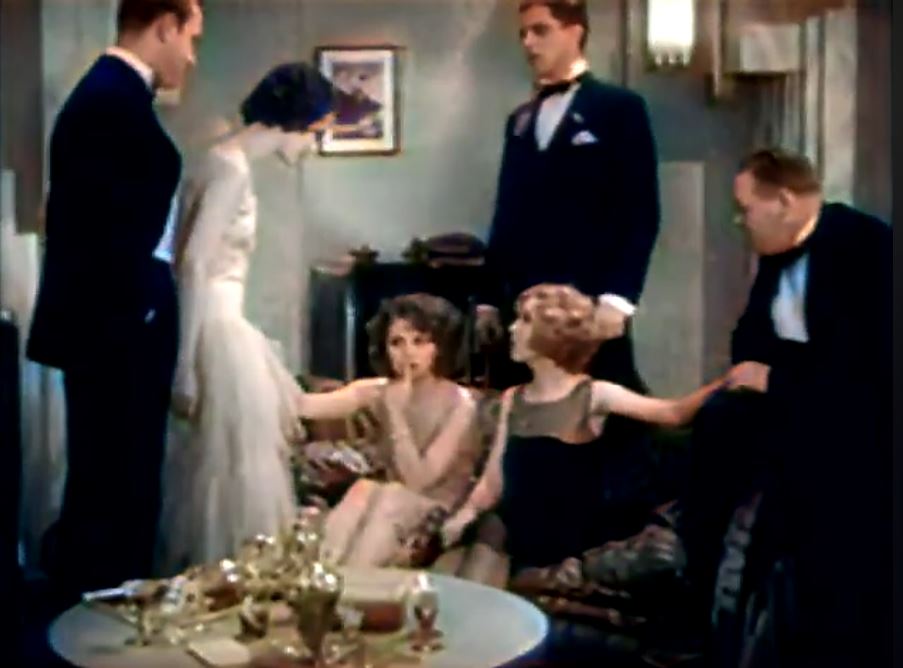
The only woman directing in Hollywood in the thirties was Dorothy Arzner. By then, the industry had consolidated into the major studios, and women directors from the silent era were pushed out. Arzner was not just one of a few. She was the last woman standing at that time. Her 1929 film The Wild Party deals with college life and autonomy, women's independence, and power dynamics with men.
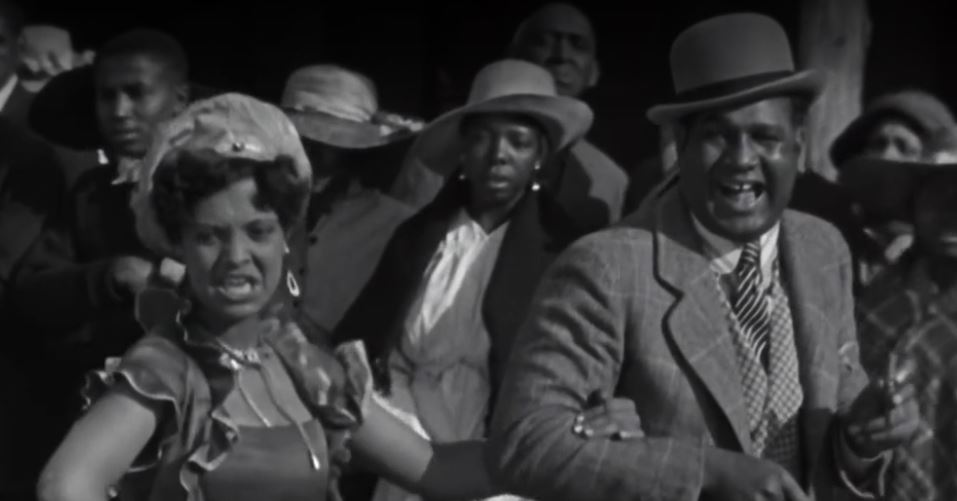
One of the first major studio films with an all-black cast explores poverty, religion, and survival in the rural South. The film was a rare Hollywood production to center black life during this era, blending musical elements with social themes. The director was white, and the film still reflects some of the limitations and stereotypes of that perspective. Still, it represents an important early step towards broader representation within the Hollywood studio system.
Soviet avant-garde experimental film. A silent documentary that captures daily life across urban Russia with no actors, sets, or scripted narrative. Celebrated for its innovative editing and cinematic techniques, it remains a groundbreaking experiment in film form and visual storytelling and is still taught in film school.
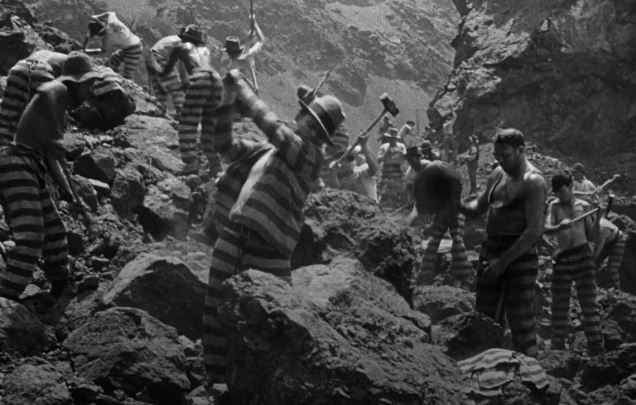
Based on a real case of prison labor abuse, this film exposes brutality in the American penal system. It had actual real-world impact, as it contributed to prison reform discussions.
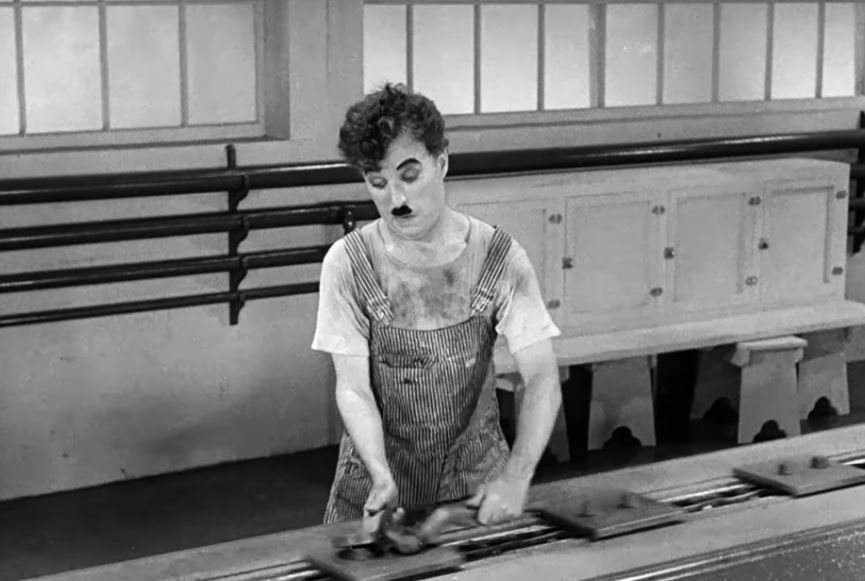
A critique of industrialization, labor exploitation, and economic instability during the Great Depression, this mostly silent film blends comedy with genuinely bleak commentary about survival and dignity, using sound deliberately for satire.
Hitchcock's first American film was a psychological thriller, based on the Gothic novel by Daphne du Maurier, and won the Academy Award for Best Picture. The story follows a young woman who marries the wealthy Maxim de Winter and finds herself living in the shadow of his late first wife at the imposing estate of Manderley, exploring themes like identity, obsession, memory, and psychological manipulation.
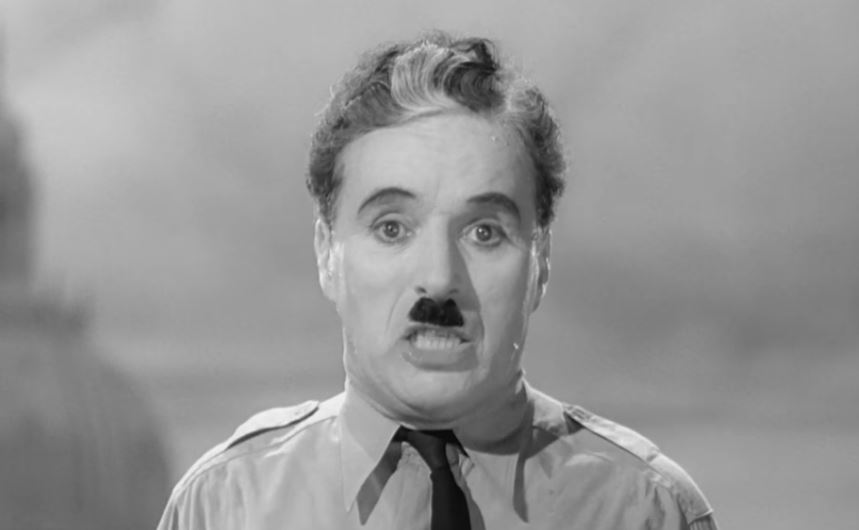
A satirical political comedy in which Charlie Chaplin plays both a Jewish barber and a dictator modeled on Adolf Hitler, using humor to confront the rise of fascism in Europe. Marking Chaplin’s first true sound film after a career in silent cinema, it blends comedy with bold political commentary, ending with one of the most famous speeches in film history.
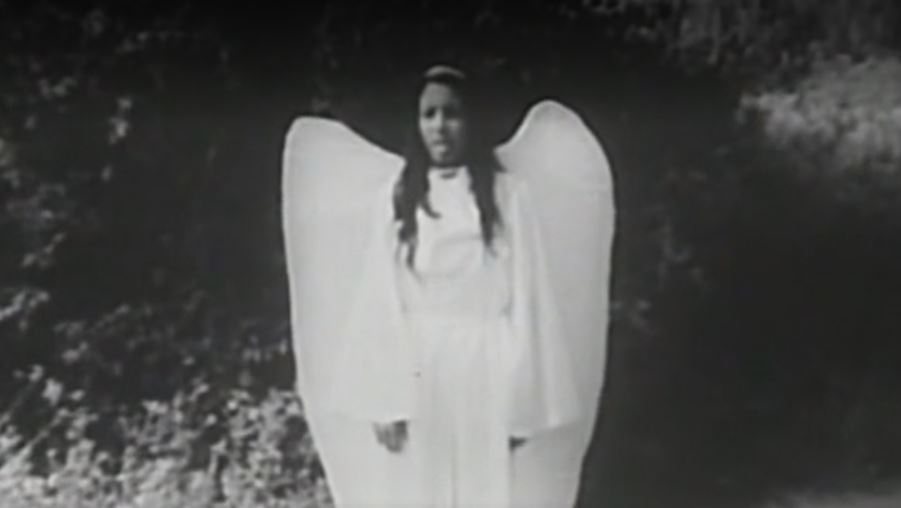
Produced by another black film pioneer working outside of the Hollywood studio system to portray black life authentically, this low-budget film became one of the most widely seen all-black-cast films of its time, a morality play depicting themes of sin and redemption in the rural South. A newly baptized woman is accidentally shot by her atheist husband and meets the devil in purgatory.
It was lost for decades until 1983 when a cache of forgotten masterprints was discovered-- a goldmine of perfectly preserved independent black cinema from the 30s and 40s. In 1991, it became the first black-directed feature film to be inducted into the U.S. National Film Registry by the Library of Congress.
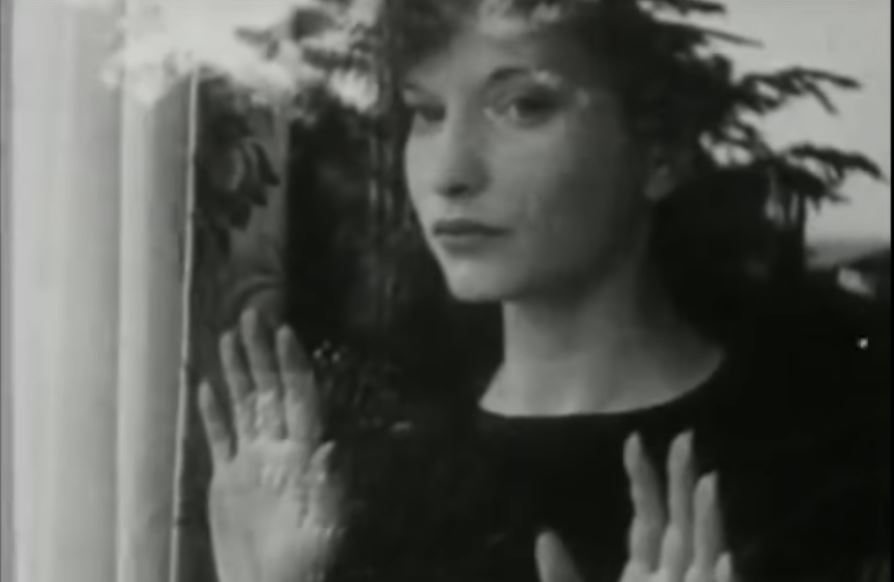
Widely regarded as one of the most influential experimental films ever made, this short silent movie helped establish the American avant-garde film movement. The film abandons traditional storytelling in favor of dream logic, symbolism, and psychological imagery. Its innovative exploration of memory, identity, and the subconscious would influence generations of filmmakers, making it a landmark work in both independent cinema and feminist film history.
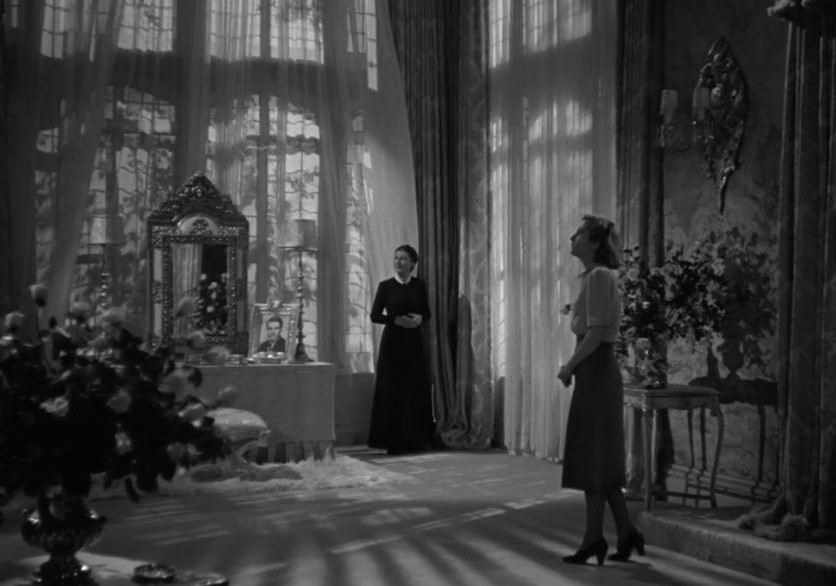
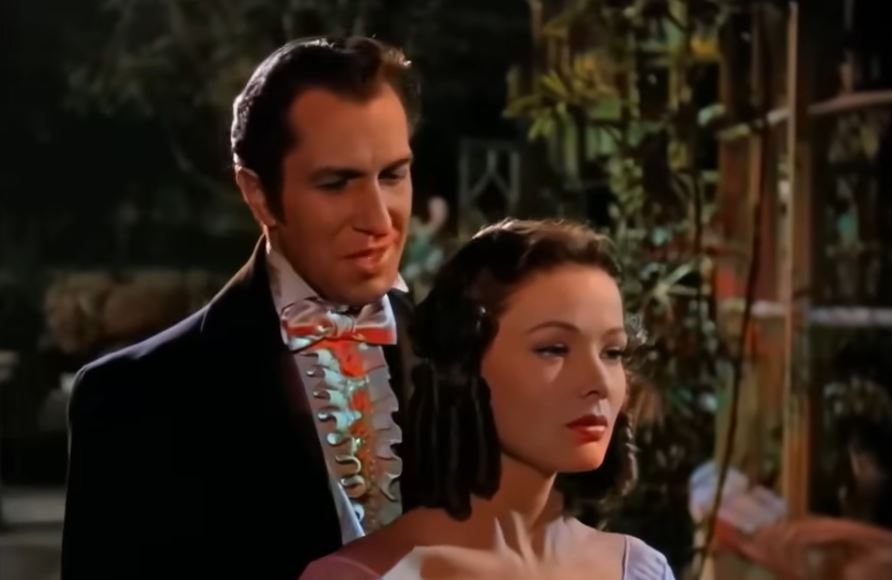
A gothic psychological drama about a young governess, a wealthy, aristocratic landowner, and the eerie, oppressive world of his opulent estate. The film was the first to portray disordered eating, both overeating and undereating, as a means of feeling a sense of control within a suffocating environment. It is also a notable early portrayal of spousal narcissistic abuse and control.
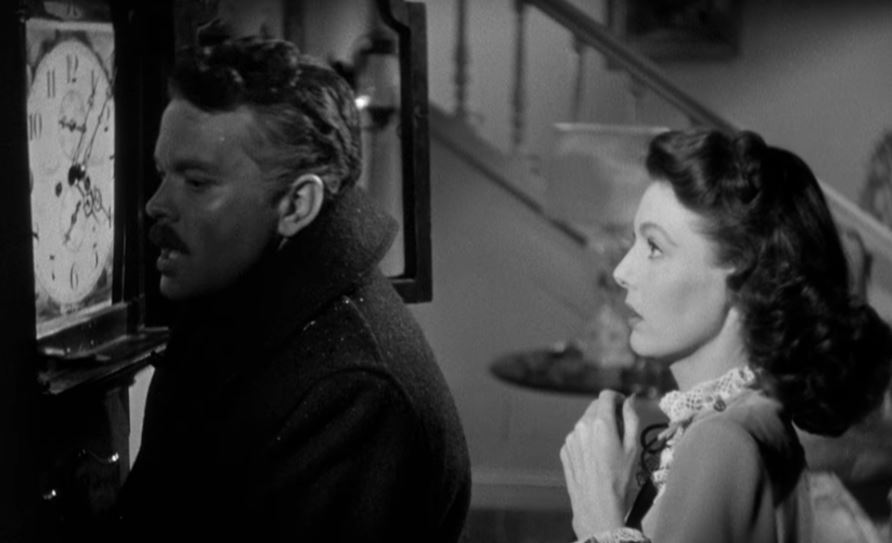
One of the first Hollywood films to confront Nazi atrocities in the immediate aftermath of World War II, the film follows a Nazi war criminal living under a false identity in a quiet American town. It notably uses real footage from concentration camps, exposing audiences to evidence of the Holocaust at a time when many were still learning the full extent of Nazi crimes.
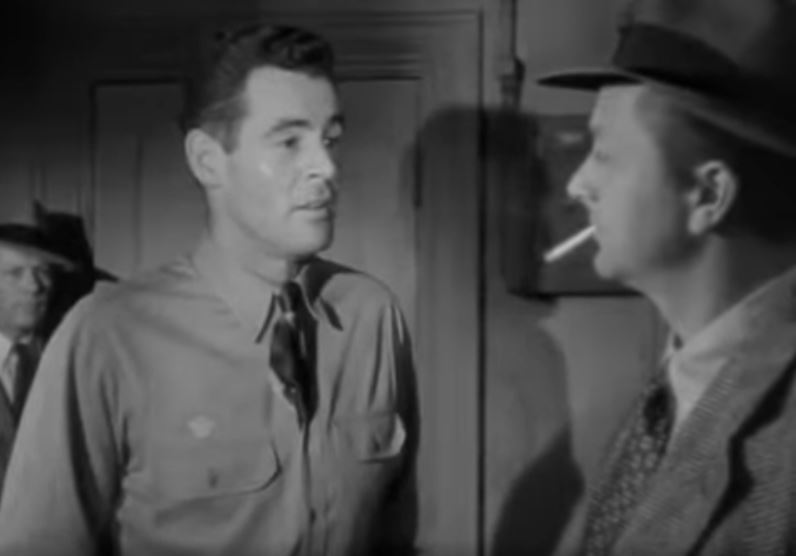
This low-budget detective story about the murder of a Jewish veteran helped pushed film noir into broader social commentary. It was released the same year as Gentleman's Agreement, and the two films are often discussed together because they mark the moment when Hollywood finally addressed antisemitism openly. The source novel involved a gay man, but due to censorship rules under the Production Code, filmmakers couldn't openly address homosexuality for decades.
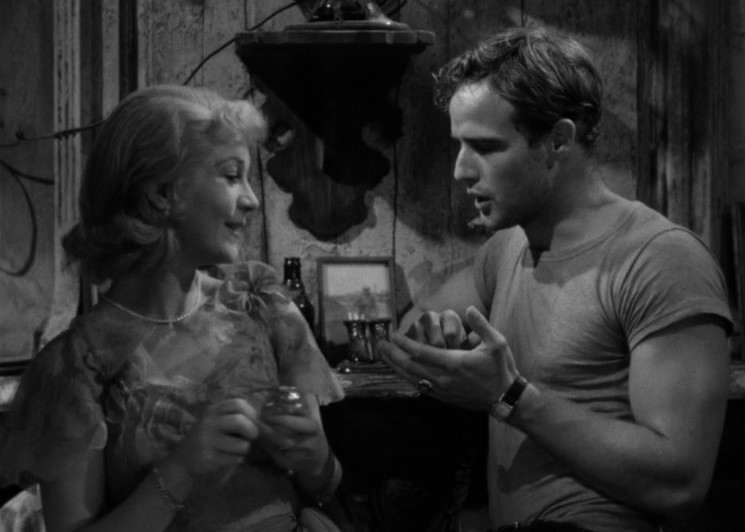
This Pulitzer Prize-winning play, first performed in 1947, tells the story of Blanche DuBois (Vivian Leigh), a fragile and fading Southern belle who moves in with her sister Stella and brutish brother-in-law Stanley Kowalski (Marlon Brando) in New Orleans. The story explores themes of illusion vs. reality, mental illness, class conflict, and sexual tension, ultimately leading to Blanche’s tragic psychological breakdown.
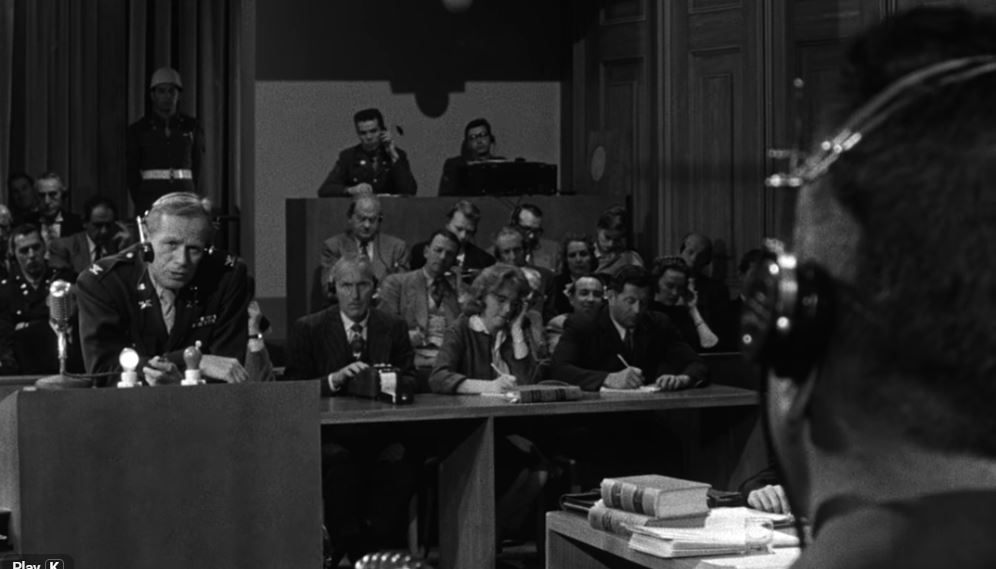
One of the greatest courtroom dramas ever made, Judgment at Nuremberg examines the moral and legal responsibility of Nazi war criminals during the Third Reich. Rather than focusing on battlefield atrocities, the film asks how ordinary citizens became complicit in injustice.
It has an elder companion of sorts, None Shall Escape (1944), filmed before the trials ever took place, while the Holocaust was still underway. It imagines the future trial of a Nazi officer.
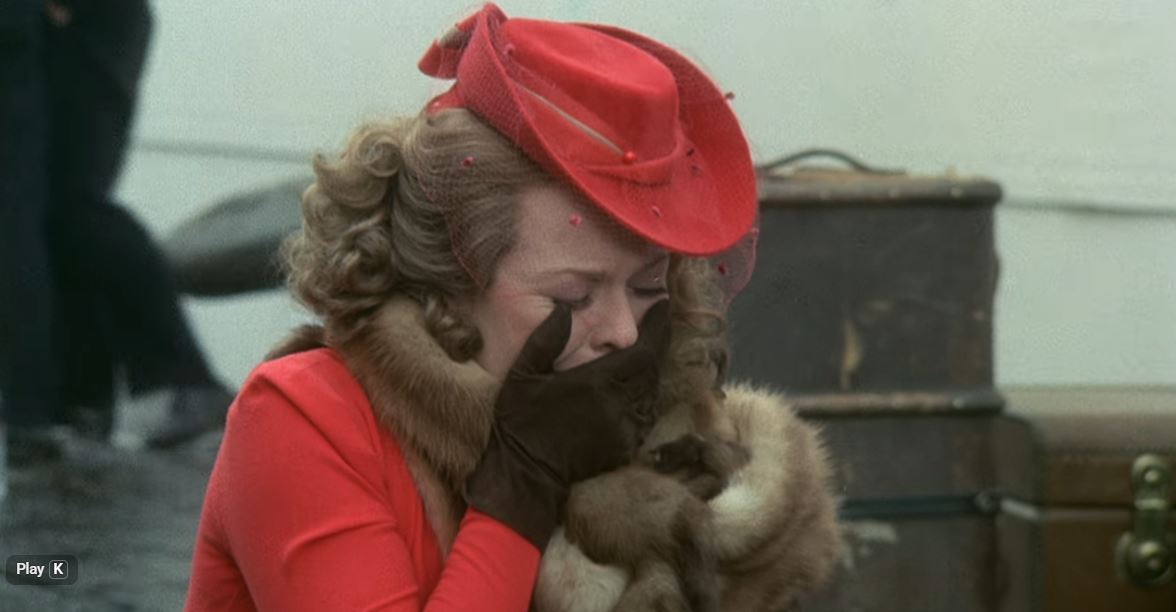
Voyage of the Damned (1976)
Stuart Rosenberg
The true story of the MS St. Louis, a ship carrying Jewish refugees who were denied entry by multiple nations, including the United States, and forced to return to Europe on the eve of the Holocaust. The film highlights how bureaucratic indifference and restrictive immigration policies can have life-or-death consequences for vulnerable people. Of the 937 passengers aboard, 254 souls perished.
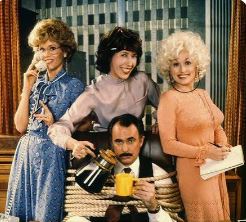
Dolly Parton's film debut is a landmark feminist workplace comedy that transforms ordinary frustrations into collective rebellion. Through the experiences of three very different working women, the film confronts sexual harassment, unequal pay and advancement opportunities, inflexible conditions, and the expectation that women absorb extra labor both at home and in the office.
Tragic lovers, traumatized Sophie and mentally ill Nathan, are befriended by their new neighbor, young writer Stingo. Meryl Streep gives a powerful performance as Sophie, a Holocaust survivor carrying the weight of a terrible choice she was forced to make at Auschwitz, while Kevin Kline is peerless as the brilliant and passionate Nathan, a paranoid schizophrenic who suffers mood swings and delusion.
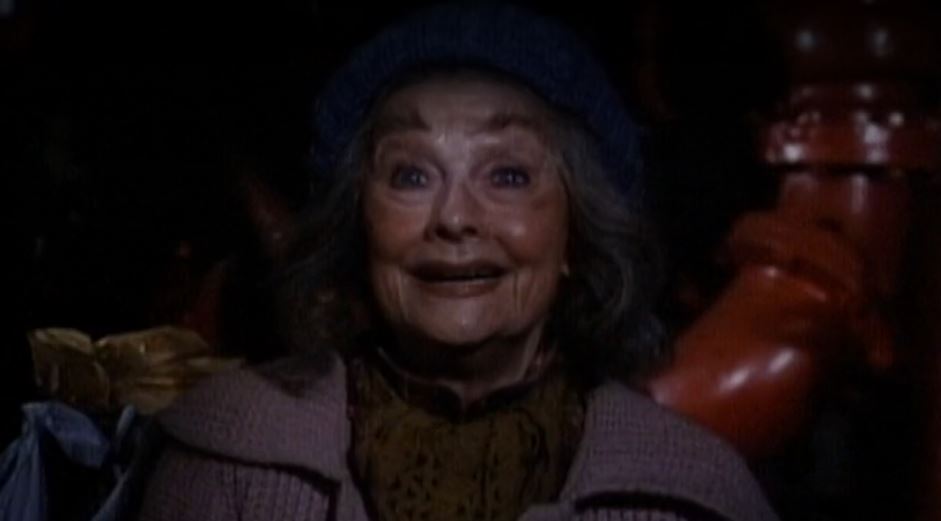
The last film of the great Lucille Ball sheds light on the plight of low-income elderly women, who make up an increasing percentage of America's homeless population. A young woman (Jennifer Connelly from Labyrinth (1986) befriends a homeless older woman living on the streets of NYC.
Two years later, Jack Nicholson and Meryl Streep gave equally powerful performances in Ironweed, a story of homeless lovers trying to survive together.